










A few weeks ago, I was going through a list of unusual search terms while planning some content ideas, and one word kept catching my eye: “mannacote.”
At first, I assumed it was just a typo.
Maybe someone meant “manicotti,” the pasta dish.
Maybe it was a brand name.
Or maybe it was just a random keyword generated by search noise.
But then I saw it again.
And again.
Different tools. Different contexts. Same strange word.
That’s when I decided to actually dig into it properly instead of brushing it off.
And honestly, what I found was less about a clear definition and more about how the internet creates confusion around unfamiliar terms.
First Impression: It Felt Like a Misspelling
The first thing I noticed was how closely “mannacote” resembles manicotti, the Italian stuffed pasta dish.
If you’ve ever cooked Italian food at home, you probably know how often spelling variations happen online.
I’ve personally made this mistake myself while searching recipes.
You type quickly, miss a letter, and suddenly you’re looking at something completely different.
So my first assumption was simple:
“This is probably just a search variation of a food term.”
But that assumption didn’t fully explain why it appeared in multiple unrelated keyword reports.
That’s when I started looking deeper.
My Real Experience With Strange Search Terms
I’ve been working with content and SEO-related research for a while now, and one thing I’ve learned is this:
Not every keyword is meaningful in the way it first appears.
Some examples I’ve seen before include:
- Misspelled food names
- Scraped auto-generated keywords
- Broken autocomplete suggestions
- Repeated crawler errors
- Or low-quality aggregated search data
At first, I used to ignore these completely.
That was a mistake.
Because sometimes these “weird” words actually reveal how people search, not just what they search for.
Testing the Word in Real Searches
To understand mannacote better, I did what I usually do:
I tested it across different platforms.
I checked:
- Google search results
- YouTube suggestions
- Keyword tools
- Social media mentions
- Recipe-related queries
What I found was interesting—but not in a straightforward way.
Instead of clear explanations, I mostly found:
- Food-related pages for “manicotti”
- Rewritten blog posts
- And scattered keyword entries with no real context
That told me something important:
The keyword itself doesn’t have a stable identity.
And that changes how you approach it entirely.
The Most Likely Explanation: A Search Variation
Based on everything I’ve seen, “mannacote” is most likely:
A misspelling or variation of “manicotti”
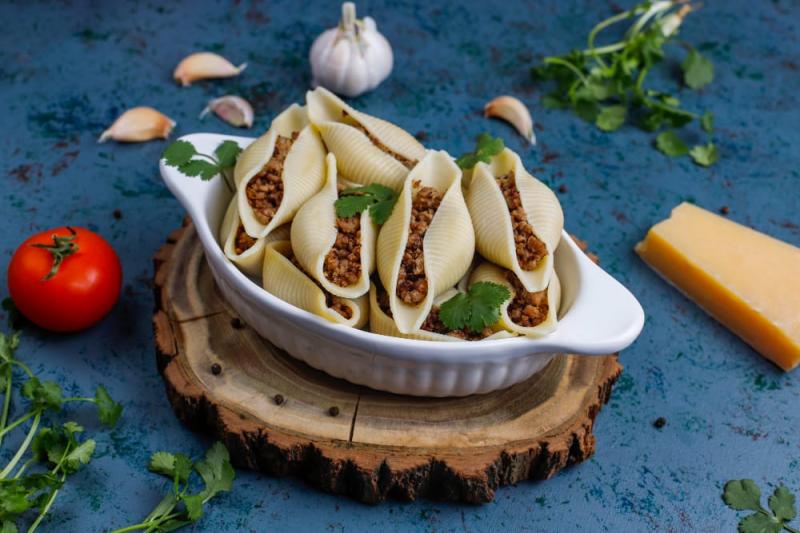
Manicotti is a classic Italian-American dish made with:
- Tube-shaped pasta
- Ricotta cheese filling
- Tomato sauce
- Sometimes meat or spinach
I’ve cooked it myself a few times at home, and I can tell you one thing—it’s surprisingly easy to mess up the spelling when you’re typing recipes fast.
That alone can explain a lot of search confusion.
My First Attempt at Making Manicotti (and Where I Went Wrong)
This part might sound unrelated, but it actually helped me understand why misspellings like “mannacote” happen so often.
The first time I tried making manicotti at home, I didn’t even know the correct spelling.
I searched something like:
“cheese pasta tube recipe oven”
And later tried refining it based on what I saw in suggestions.
That experience taught me something simple:
People don’t always search correctly—they search instinctively.
They type what they hear, not what is officially correct.
That’s how variations like mannacote happen in the first place.
Why These Keyword Variations Matter Online
From a content perspective, keywords like this might seem unimportant at first glance.
But they actually reveal something useful:
1. People search phonetically
They type what they hear, not what is correct.
2. Search engines try to “correct” intent
Google often redirects “mannacote” searches toward “manicotti.”
3. Content gets duplicated around errors
Some websites intentionally target misspellings for traffic.
4. Data tools pick up noise
SEO tools sometimes list variations that don’t represent real intent.
I’ve seen this pattern repeatedly while working with keyword research tools like:
- Google Trends
- Ahrefs
- Ubersuggest
- AnswerThePublic
And it’s always the same pattern: confusion first, clarity later.
Step-by-Step: How I Analyze Strange Keywords Now
If you ever come across a term like mannacote, here’s the process I personally follow.
Step 1: Check for obvious spelling matches
Most of the time, it’s a variation of something else.
Step 2: Compare search results
Look at whether Google automatically redirects results.
Step 3: Identify dominant topic clusters
In this case, food and pasta-related content dominates.
Step 4: Check whether the keyword exists independently
If it doesn’t appear as a brand, product, or concept, it’s likely a variation.
Step 5: Confirm search intent
Ask: What are people actually trying to find?
For mannacote, the answer clearly points toward pasta dishes.
Common Mistakes People Make With Keywords Like This
I’ve made most of these mistakes myself at some point:
Mistake 1: Treating every keyword as unique
Not every term has its own meaning.
Mistake 2: Ignoring spelling variations
Small changes can completely shift search behavior.
Mistake 3: Trusting SEO tools blindly
Tools show data—but not always context.
Mistake 4: Overcomplicating simple errors
Sometimes a typo is just a typo.
Why Food Names Get Misspelled So Often
Food-related keywords are especially prone to variation.
Here’s why:
- Many dishes come from other languages
- People hear names verbally before seeing them written
- Regional accents affect pronunciation
- Recipes spread informally online
I’ve seen this especially with Italian dishes.
Even common ones like:
- Ziti
- Rigatoni
- Cannelloni
- Manicotti
All get misspelled regularly in search queries.
So “mannacote” fits perfectly into that pattern.
Real Insight From All This
After spending time looking into mannacote, I didn’t walk away with a new definition.
Instead, I walked away with a reminder:
Not every keyword is about meaning—sometimes it’s about human behavior.
People type fast.
People guess spelling.
People rely on sound, not accuracy.
And search engines have to interpret all of that in real time.
That’s actually the more interesting story.
What I’d Recommend If You See a Keyword Like This
If you’re doing content research or just curious, here’s what helps:
- Don’t assume complexity
- Check for common spelling matches
- Look at actual search intent
- Focus on user behavior, not just wording
- Validate with multiple tools
It saves a lot of confusion.
Final Thoughts
“Mannacote” doesn’t appear to represent a standalone concept, brand, or widely recognized term. Instead, everything points toward it being a misspelled or phonetic variation of “manicotti,” the Italian pasta dish.
But what makes it interesting isn’t the word itself—it’s how it shows the way people actually search online.
Real users don’t always type perfectly. They search quickly, instinctively, and sometimes incorrectly. And those small variations are what shape a large part of search behavior on the internet.
So even a simple-looking keyword like this ends up revealing something bigger about how we interact with information every day.