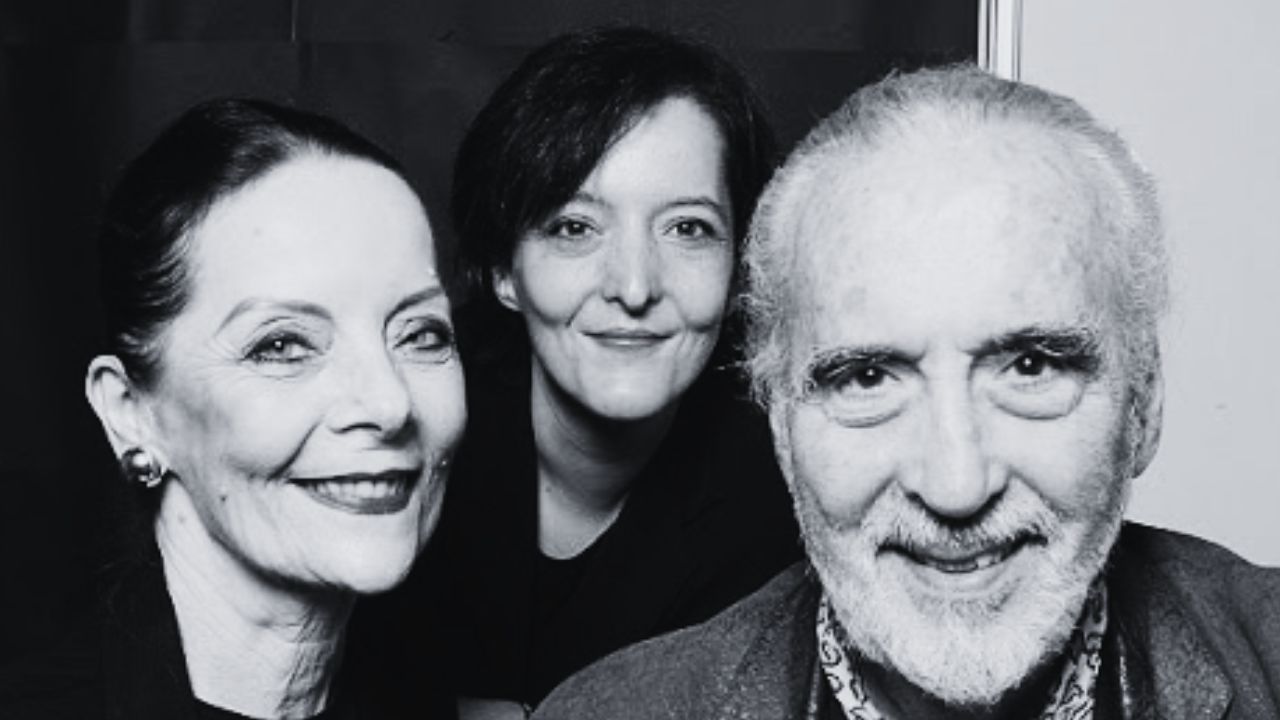











A few days ago, I was going through a list of lesser-known historical and family names for a research project when I stumbled across Jeanne Bernhardt.
At first, I didn’t think much of it. Names like this appear all the time in genealogy notes, old records, or scattered references across the internet. Usually, they lead to a clear story after a quick search.
This one didn’t.
Instead, I found fragments—mentions in family connections, occasional references in historical discussions, and a lot of pages that didn’t really explain much at all.
That’s when I realized this wasn’t going to be a simple biography search. It was going to be more like piecing together a quiet puzzle.
And honestly, those are the ones I end up learning the most from.
First Impression: Expecting a Story, Finding Silence
Whenever I research names like Jeanne Bernhardt, I usually expect one of three things:
- A historical figure with documented achievements
- A family member connected to a well-known lineage
- Or a person with a small but traceable online footprint
But in this case, the information felt scattered and incomplete.
It reminded me of something I’ve seen many times while working on genealogy-style research: not every name belongs to someone widely documented in public records. Some names exist mostly in family trees, archives, or older references that never fully made their way into modern storytelling.
That doesn’t make them less important—it just makes them harder to trace.
My Early Mistake With Names Like This
I’ll be honest—I used to approach research like this the wrong way.
If I couldn’t find a full biography within a few minutes, I assumed there was nothing meaningful to uncover.
That mindset caused me to overlook a lot of interesting historical connections.
Over time, I realized something important:
Not every person in history has a digital biography waiting to be read.
Some lives are recorded in:
- Census documents
- Marriage records
- Family genealogies
- Local archives
And that’s it.
No interviews.
No articles.
No online summaries.
Jeanne Bernhardt fits into that kind of category based on available search patterns.
Why Names Like Jeanne Bernhardt Appear in Searches
One thing I’ve noticed after years of researching obscure names is that search interest doesn’t always come from fame.
Instead, it often comes from:
1. Genealogy Research
People exploring family trees often encounter unfamiliar names and search for context.
2. Historical Record Tracing
Old documents often list names without additional details, prompting further searches.
3. Surname Connections
The surname “Bernhardt” appears in various historical and cultural records, so people naturally explore possible family links.
4. Curiosity Loops
Sometimes a name appears in one article, which leads to another, which leads to more searches—even if the original information was minimal.
That cycle can create the impression that a name is widely known, even when the actual information is limited.
What I Found (and Didn’t Find)
When I started digging deeper into Jeanne Bernhardt, I expected to build a clear profile.
Instead, what I found was:
- Limited consistent public information
- Occasional mentions in genealogical contexts
- No strong verified public biography
- No clear modern digital identity
This isn’t unusual in historical or family-based research.
In fact, it’s very common.
And it forced me to adjust my expectations again.
How I Approach “Quiet Names” Now
Over time, I developed a method for dealing with names that don’t have obvious public documentation.
If you’re trying to research Jeanne Bernhardt—or any similar name—this is the approach I use:
Step 1: Start With Structured Sources
Instead of random blogs, I go straight to:
- Genealogy databases
- Archive indexes
- Historical record collections
Platforms like FamilySearch or Ancestry often provide the most structured data.
Step 2: Look for Family Patterns
Instead of focusing on the person alone, I look at:
- Associated surnames
- Geographic regions
- Time periods
- Related family members
This helps place the name in context.
Step 3: Cross-Reference Carefully
One of the biggest mistakes I used to make was trusting a single source.
Now I always check:
- Whether multiple sources mention the same connection
- Whether the spelling and details match
- Whether dates align logically
Step 4: Accept Gaps in Information
This was the hardest lesson for me.
Not every name will have a complete story online.
And that’s okay.
A Real Example From My Own Research Work
A while back, I was researching a similar historical name tied to a European family record. At first, I thought I would find a full biography easily.
Instead, I found:
- A birth record
- A marriage entry
- A census listing
That was it.
No personal stories. No photographs. No interviews.
At first, it felt incomplete.
But over time, I realized something important: those fragments were the story. Just not in the way modern biographies present it.
Jeanne Bernhardt feels similar in that regard based on available references.
Why Some Names Stay “Quiet” Online
There are a few reasons why names like this don’t have a strong online presence:
1. Historical Time Gap
Older records often predate digital documentation.
2. Private Lives
Not everyone was part of public or documented events.
3. Limited Media Coverage
Only certain individuals were ever recorded in newspapers or archives.
4. Data Loss Over Time
Some records simply didn’t survive or weren’t digitized.
The internet gives the illusion that everything is searchable—but that’s not always true.
The Biggest Misunderstanding About Genealogy Searches
One thing I see often is people assuming that every name should lead to a full biography.
But genealogy doesn’t work that way.
It’s more like:
- Connecting dots
- Following paper trails
- Interpreting fragments
- Reconstructing timelines
It’s slow, and sometimes incomplete.
But that’s what makes it interesting.
Practical Tips If You’re Researching Similar Names
If you’re trying to understand Jeanne Bernhardt or a similar name, here’s what I recommend:
Tip 1: Don’t Rush
Give yourself time to explore different sources.
Tip 2: Focus on Context
Look at family connections, not just the individual name.
Tip 3: Use Multiple Platforms
Combine:
- Genealogy sites
- Archive databases
- Historical records
- Library collections
Tip 4: Keep Notes
I always jot down patterns I notice—it helps later when connections start forming.
Tip 5: Be Comfortable With Incomplete Data
This is the hardest but most important part.
Why People Search for Names Like Jeanne Bernhardt
Even without a strong public biography, names like this still attract attention because:
- People are tracing ancestry
- Family records are being digitized
- Historical curiosity is growing
- Online databases are expanding
In many cases, the search itself is the goal—not necessarily finding a famous figure.
Final Thoughts
After spending time trying to understand Jeanne Bernhardt, what stood out most wasn’t a dramatic biography or public legacy. Instead, it was the reminder that not every name online belongs to a widely documented life.
Some names exist quietly in the background of history—recorded in documents, passed through generations, and preserved in fragments rather than full stories.
And honestly, there’s something humbling about that.
Because not every story is meant to be loud. Some are meant to be discovered slowly, piece by piece.