









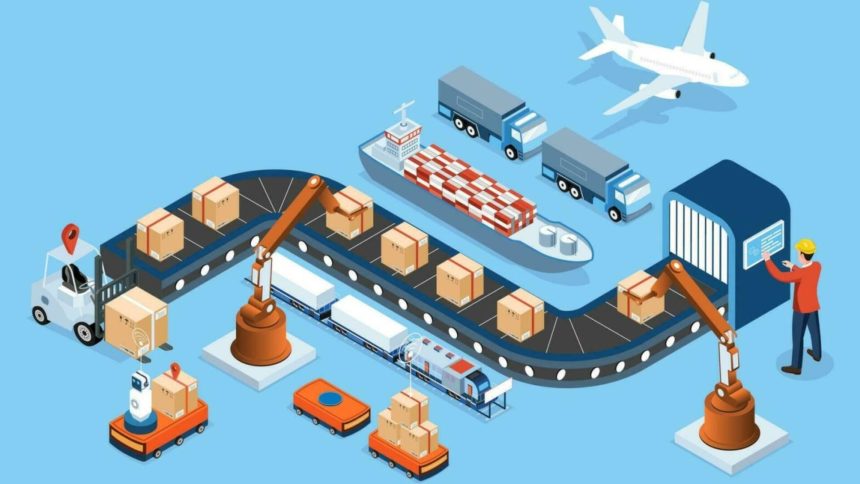
In a world where speed, precision, and adaptability define business success, the concept of logisths is quietly reshaping how goods, data, and operations move across industries. For startup founders and tech-driven entrepreneurs, understanding logisths is no longer optional—it’s a strategic advantage. Whether you’re scaling an eCommerce brand, optimizing supply chains, or building the next logistics SaaS platform, logisths sits at the intersection of innovation and execution.
At its core, logisths represents a modern, technology-driven approach to logistics—one that blends data intelligence, automation, and real-time decision-making. Unlike traditional logistics, which often relied on rigid systems and manual coordination, logisths thrives in dynamic environments where agility is key.
What Is Logisths and Why It Matters
Logisths is more than just a rebranded version of logistics. It reflects a paradigm shift. Traditional logistics focused primarily on transportation and storage. Logisths, however, integrates advanced technologies such as AI, IoT, and predictive analytics to create smarter, more responsive systems.
For startups, this shift is transformative. Imagine being able to predict demand fluctuations before they happen, reroute shipments in real time based on weather or geopolitical changes, or automate warehouse operations with minimal human intervention. That’s the promise of logisths.
The rise of global eCommerce, same-day delivery expectations, and decentralized supply chains has made this evolution necessary. Businesses that fail to adapt risk falling behind competitors who can deliver faster, cheaper, and more reliably.
The Evolution from Logistics to Logisths
To understand logisths, it helps to look at how logistics has evolved over time. Initially, logistics was a back-office function—focused on efficiency but rarely considered a growth driver. Over time, it became more strategic, especially as globalization increased complexity.
Today, logisths represents the next stage of that evolution. It brings logistics to the forefront of business strategy, powered by data and digital infrastructure. The difference lies in how decisions are made. Traditional logistics relied on historical data and static planning. Logisths uses real-time data streams and adaptive algorithms.
This shift mirrors broader trends in digital transformation. Just as marketing evolved into growth marketing and finance into fintech, logistics has evolved into logisths—smarter, faster, and more integrated.
Key Components of Logisths
Understanding logisths requires breaking it down into its core components. These elements work together to create a seamless, intelligent logistics ecosystem.
Data-Driven Decision Making
In logisths, data is the foundation. Every movement, delay, and transaction generates valuable insights. Advanced analytics tools process this data to identify patterns and optimize operations.
For example, a startup using logisths can analyze customer behavior to forecast demand with remarkable accuracy. This reduces overstocking and minimizes waste, directly impacting profitability.
Automation and Robotics
Automation is another defining feature of logisths. From autonomous delivery vehicles to robotic warehouse systems, automation reduces human error and increases efficiency.
Startups that embrace automation early can scale operations without proportionally increasing costs. This is particularly important in competitive markets where margins are tight.
Real-Time Visibility
One of the biggest challenges in traditional logistics is lack of visibility. Logisths solves this by providing real-time tracking and monitoring across the entire supply chain.
This transparency allows businesses to respond quickly to disruptions. Whether it’s a delayed shipment or a sudden spike in demand, real-time insights enable proactive decision-making.
Integration with Digital Platforms
Logisths thrives on integration. It connects seamlessly with eCommerce platforms, ERP systems, and customer relationship management tools.
This interconnected ecosystem ensures that information flows smoothly across departments, reducing silos and improving coordination.
Real-World Applications of Logisths
The impact of logisths is already visible across various industries. In eCommerce, companies are using it to optimize last-mile delivery and enhance customer experience. In manufacturing, it’s improving supply chain resilience and reducing downtime.
Consider a fast-growing online retailer. By implementing logisths, the company can dynamically allocate inventory across multiple warehouses based on regional demand. This reduces shipping times and costs while improving customer satisfaction.
Similarly, in the healthcare sector, logisths ensures timely delivery of critical supplies. Real-time tracking and predictive analytics help prevent shortages and ensure that resources are available where they’re needed most.
Logisths vs Traditional Logistics
To better understand the value of logisths, it’s helpful to compare it with traditional logistics.
| Aspect | Traditional Logistics | Logisths |
|---|---|---|
| Decision Making | Reactive, historical data | Proactive, real-time data |
| Technology Use | Limited automation | Advanced AI and IoT integration |
| Visibility | Low to moderate | High, real-time tracking |
| Flexibility | Rigid systems | Adaptive and dynamic |
| Scalability | Resource-dependent | Technology-driven |
This comparison highlights why logisths is becoming essential for modern businesses. It’s not just about efficiency—it’s about staying competitive in a rapidly changing landscape.
Challenges in Adopting Logisths
Despite its advantages, transitioning to logisths is not without challenges. For startups, the initial investment in technology and infrastructure can be significant. There’s also a learning curve associated with adopting new systems and processes.
Data security is another concern. As logisths relies heavily on data, ensuring its protection is critical. Businesses must invest in robust cybersecurity measures to safeguard sensitive information.
Additionally, integrating logisths with existing systems can be complex. Legacy infrastructure may not be compatible with modern technologies, requiring upgrades or complete overhauls.
However, these challenges are not insurmountable. With the right strategy and partnerships, businesses can successfully navigate the transition.
How Startups Can Leverage Logisths
For startups, logisths offers a unique opportunity to build scalable and efficient operations from the ground up. Unlike established companies burdened by legacy systems, startups can adopt modern solutions from the start.
The key is to focus on flexibility and scalability. Cloud-based platforms, for example, allow startups to scale operations without significant upfront investment. Similarly, adopting API-driven systems ensures seamless integration with other tools.
Startups should also prioritize data analytics. By leveraging data effectively, they can gain insights that drive growth and improve decision-making.
Partnerships are another critical factor. Collaborating with logistics technology providers can accelerate adoption and reduce implementation risks.
The Future of Logisths
The future of logisths is closely tied to advancements in technology. As AI and machine learning continue to evolve, their applications in logistics will become even more sophisticated.
Autonomous delivery systems, for instance, are expected to become more widespread. Drones and self-driving vehicles could revolutionize last-mile delivery, reducing costs and improving speed.
Blockchain technology is another area with significant potential. It can enhance transparency and security in supply chains, ensuring that transactions are verifiable and tamper-proof.
Sustainability will also play a major role. Logisths can help businesses reduce their environmental impact by optimizing routes, minimizing waste, and improving resource utilization.
Why Logisths Is a Strategic Imperative
For entrepreneurs and tech professionals, logisths is not just a trend—it’s a strategic imperative. In an era where customer expectations are higher than ever, businesses must deliver faster and more efficiently.
Logisths enables this by combining technology with operational excellence. It transforms logistics from a cost center into a competitive advantage.
Companies that embrace logisths can differentiate themselves in crowded markets. They can offer better service, reduce costs, and respond more effectively to changes.
On the other hand, those that stick to traditional logistics risk becoming obsolete. The gap between digital-first and traditional businesses is widening, and logisths is a key factor driving that divide.
Conclusion
Logisths represents the future of logistics—a future defined by intelligence, agility, and innovation. For startups and entrepreneurs, it offers a powerful tool to build efficient, scalable, and resilient operations.
By embracing logisths, businesses can move beyond traditional limitations and unlock new opportunities for growth. The journey may require investment and adaptation, but the rewards are well worth it.
In a world where every second counts and every decision matters, logisths is not just an upgrade—it’s a transformation. Those who understand and adopt it today will be the leaders of tomorrow.