








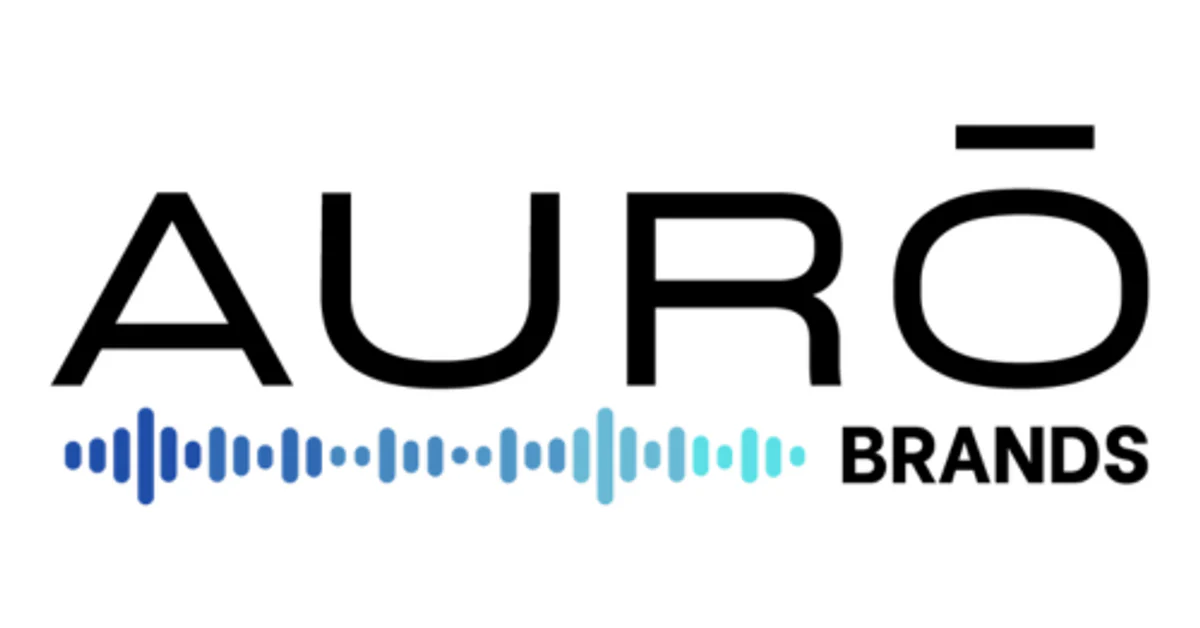
A few months ago, I was sitting in a coffee shop trying to finish some freelance work when I noticed the word “Aurö” on someone’s laptop sticker.
At first, I assumed it was:
- a music brand
- a startup
- maybe an indie fashion label
But then I saw it again later that week while scrolling online.
And once something appears twice, my brain immediately starts paying attention to it everywhere.
That tiny moment turned into one of those classic internet deep dives where you start with a single unusual word and suddenly spend hours researching branding trends, online aesthetics, startup culture, and why modern companies love putting dots over random letters.
Honestly, by the end of it, I realized “Aurö” represented something much bigger than just a name.
It perfectly reflects how branding, internet culture, and identity have changed over the last decade.
The First Thing That Stood Out About “Aurö”
The name itself immediately feels modern.
Short.
Clean.
Minimal.
Slightly mysterious.
And that little “ö” changes everything visually.
Without it, “Auro” feels ordinary.
With it, the word suddenly feels:
- premium
- artistic
- tech-focused
- European-inspired
- intentionally designed
I’ve noticed this trend everywhere lately.
Brands now obsess over names that look visually distinctive online, even before people know what the company or project actually does.
I Used to Ignore Branding Completely
Years ago, I honestly thought branding didn’t matter much.
I figured:
“If the product is good, people will use it.”
That sounds logical until you actually try building something online.
A friend and I once launched a tiny side project selling digital templates. We spent weeks working on features and design but barely thought about the name.
Big mistake.
The name sounded generic, impossible to search, and easy to forget.
Later we rebranded everything with a cleaner, simpler identity and suddenly people started remembering it.
That experience completely changed how I view names like “Aurö.”
Why Modern Brand Names Feel So Different
One thing I’ve noticed recently is that companies no longer choose names just for meaning.
They choose names for:
- visual identity
- searchability
- domain availability
- social media handles
- aesthetic appeal
That’s why modern names often look unusual or slightly abstract.
I’ve seen brands:
- remove vowels
- add symbols
- use accented letters
- shorten words
- invent completely new spellings
At first it felt weird to me.
Now it honestly feels normal online.
The Internet Changed Naming Forever
Back before social media, businesses mostly cared about:
- newspaper ads
- storefront signs
- television commercials
Now names need to work across:
- TikTok
- YouTube
- app stores
- Google search
- usernames
That changes everything.
A short, visually unique name like “Aurö” immediately stands out more than a long traditional company name buried inside crowded search results.
And honestly, that uniqueness has become incredibly valuable online.
Why Minimalist Names Work So Well
The more I researched modern branding, the more I realized people are overwhelmed by information constantly.
Short names feel easier to process.
Think about how many successful modern brands use:
- short words
- soft sounds
- simple typography
- clean visuals
It creates a feeling of clarity.
And after spending years drowning in internet clutter myself, I completely understand why people respond positively to that style now.
My Experience Trying to Create a “Modern” Brand Name
A while back, I tried helping a friend brainstorm names for a small online clothing shop.
Honestly, it was harder than building the website itself.
Every normal name was:
- already trademarked
- taken on Instagram
- unavailable as a domain
- impossible to rank on Google
We eventually realized why newer brands create unusual names.
The internet is crowded.
Sometimes inventing something visually memorable becomes the only realistic option.
The Psychology Behind Stylish Branding
One thing that fascinated me while thinking about names like “Aurö” is how strongly people emotionally react to branding aesthetics.
Even before knowing what something actually is, people instantly make assumptions:
- luxury
- creativity
- quality
- innovation
- exclusivity
I catch myself doing this too.
A sleek minimalist name automatically feels more modern even if the actual product behind it is simple.
That psychological effect is incredibly powerful online.
Why Special Characters Keep Appearing in Brand Names
The “ö” specifically caught my attention because accented letters have become surprisingly common in branding lately.
I’ve noticed this trend especially in:
- fashion
- music
- tech startups
- wellness brands
- design-focused companies
It creates visual distinction immediately.
Even if pronunciation stays almost identical, the appearance feels elevated somehow.
And honestly, humans are very visual online now.
People often judge brands within seconds.
Mistakes People Make When Naming Projects
After watching friends launch businesses and creative projects, I’ve noticed a few common mistakes repeatedly.
Choosing names that are impossible to spell
Creative is good.
Confusing is not.
Ignoring search engines
If nobody can find your name online, growth becomes harder.
Following trends too aggressively
Some trendy names age badly very fast.
Making names too long
Shorter names are usually easier to remember.
I’ve personally made all of these mistakes at some point.
Why Aesthetic Branding Became So Important
One thing social media changed completely is how people discover products and ideas.
Now discovery often happens visually first.
People scroll rapidly through:
- thumbnails
- logos
- usernames
- profile pictures
- app icons
That means branding needs to grab attention instantly.
Names like “Aurö” work because they feel visually intentional before people even understand the context.
The Rise of “Soft Tech” Branding
Another thing I noticed is that modern branding moved away from harsh corporate styles.
Older tech companies often sounded:
- mechanical
- cold
- technical
Newer names feel softer and more emotional.
“Aurö” fits that trend perfectly.
It sounds calm, modern, slightly artistic, and easy to imagine attached to:
- an app
- a creative platform
- a music project
- wellness products
- minimalist design
That flexibility matters a lot now.
Why Internet Culture Loves Mystery
Part of what makes names like this effective is that they leave room for interpretation.
People become curious.
I noticed myself wanting to know:
- What does it mean?
- Is it a brand?
- Is it a person?
- Is it a startup?
- Is it artistic branding?
Curiosity creates engagement.
And honestly, internet culture rewards curiosity more than almost anything else now.
My Biggest Takeaway From Researching “Aurö”
The biggest thing I learned is that branding today is less about explanation and more about feeling.
People don’t always remember detailed descriptions.
They remember atmosphere.
That’s why minimalist modern names work so well:
they create emotional impressions quickly.
And after years of watching online culture evolve, I honestly think emotional identity matters more now than traditional marketing language ever did.
Final Thoughts
After spending way too much time thinking about “Aurö,” I realized the name itself reflects modern internet culture surprisingly well.
It’s clean.
Minimal.
Visually distinctive.
Slightly mysterious.
And honestly, that combination is exactly what works online now.
Whether “Aurö” ends up being connected to a brand, project, creative identity, or something else entirely, it perfectly represents how digital culture transformed the way we think about names, aesthetics, and attention.
Sometimes a single unusual word says more about modern internet behavior than people realize.