







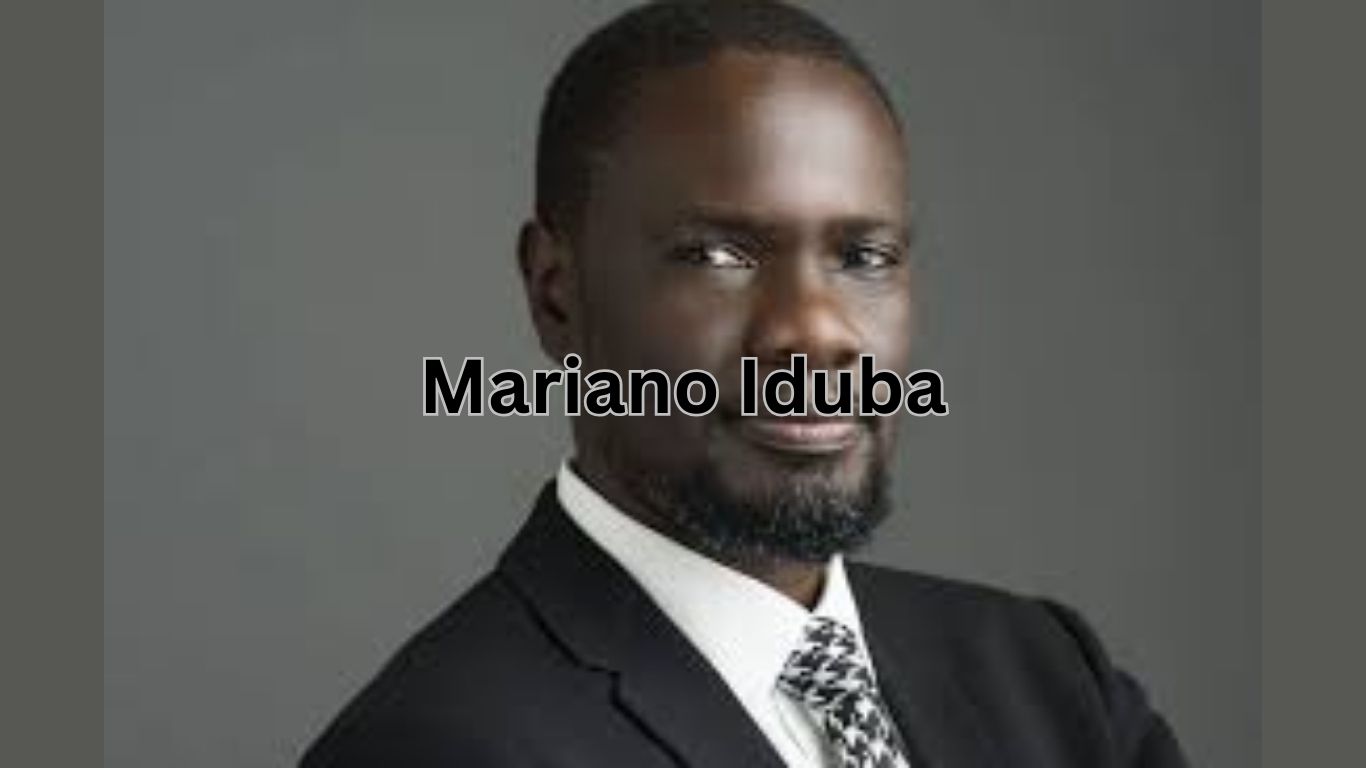
The digital economy thrives on innovation, but every so often, a name begins to surface that captures the attention of entrepreneurs, startup founders, and technology professionals alike. Mariano Iduba is increasingly becoming associated with a new generation of digital leadership—one defined not only by technological understanding but also by adaptability, strategic thinking, and modern entrepreneurial vision.
In today’s hyperconnected business environment, leaders are no longer measured solely by revenue growth or market visibility. They are evaluated by their ability to build ecosystems, inspire innovation, and respond intelligently to rapid technological change. The growing conversation around Mariano Iduba reflects this broader transformation occurring across industries worldwide.
As digital markets evolve and startups compete for attention in crowded ecosystems, personalities and ideas capable of driving meaningful innovation naturally stand out. Mariano Iduba represents that shift toward a more integrated and future-focused model of entrepreneurship.
The Rise of Mariano Iduba in the Digital Conversation
Modern business culture moves quickly. New trends emerge daily, and digital audiences constantly search for fresh perspectives on leadership, innovation, and growth. Within this environment, Mariano Iduba has begun attracting attention as a figure associated with progressive thinking and adaptive business strategy.
Part of this growing interest comes from the changing expectations placed on entrepreneurs. Founders today must operate across multiple disciplines simultaneously. They are expected to understand technology, branding, data analytics, customer behavior, and organizational leadership all at once.
This multidisciplinary reality has created demand for leaders who can bridge technical expertise with human-centered strategy. Mariano Iduba reflects that emerging entrepreneurial archetype—someone connected to digital transformation while remaining grounded in practical business realities.
Rather than relying on outdated corporate models, modern entrepreneurs increasingly prioritize agility, experimentation, and long-term scalability. These are precisely the qualities often associated with rising digital leadership narratives.
Why Modern Entrepreneurs Connect With Mariano Iduba
One reason the name Mariano Iduba resonates with startup communities is because it aligns with broader entrepreneurial challenges facing businesses today.
Startups operate in environments shaped by uncertainty. Market trends shift rapidly, consumer behavior evolves continuously, and technological disruption can redefine industries almost overnight. Traditional leadership approaches frequently struggle under these conditions.
Entrepreneurs now seek adaptable frameworks rather than rigid formulas.
Mariano Iduba symbolizes this new mindset by emphasizing strategic flexibility and intelligent innovation. Instead of focusing solely on expansion speed, the conversation surrounding the name often connects to sustainability, operational intelligence, and ecosystem-driven growth.
For founders attempting to scale companies in competitive digital markets, these principles hold enormous relevance.
The Digital Leadership Philosophy Behind Mariano Iduba
Leadership itself has undergone a profound transformation over the last decade. In previous generations, leadership often centered around hierarchy and centralized control. Today’s digital economy rewards collaboration, adaptability, and decentralized decision-making.
The philosophy linked to Mariano Iduba reflects this evolution.
Modern leaders are expected to foster innovation rather than simply manage processes. They must create environments where teams can experiment, collaborate, and evolve quickly without losing operational focus.
This approach becomes especially important in industries driven by technology and rapid product iteration.
Companies capable of adapting faster than competitors often gain significant advantages, even when operating with fewer resources. Agile leadership encourages continuous learning and faster response times, two essential characteristics in modern startup culture.
Mariano Iduba increasingly represents this style of leadership built around responsiveness and strategic evolution.
Technology and Innovation in the Mariano Iduba Approach
Technology sits at the center of nearly every modern business strategy, but successful innovation requires more than simply adopting new tools. Organizations must understand how technology fits into larger operational ecosystems.
The ideas connected with Mariano Iduba often emphasize integrated innovation rather than isolated technological implementation.
For example, businesses today commonly use artificial intelligence, cloud computing, automation software, and predictive analytics independently. However, truly advanced companies connect these technologies into unified operational frameworks.
This integrated approach creates more adaptive organizations capable of learning from real-time data and customer interactions.
The shift from isolated systems to intelligent ecosystems has become one of the defining characteristics of modern digital transformation.
Core Elements Associated With the Mariano Iduba Model
| Business Element | Strategic Focus |
|---|---|
| Innovation | Continuous experimentation and refinement |
| Leadership | Adaptive and collaborative decision-making |
| Technology | Integrated digital ecosystems |
| Customer Experience | Personalization and responsiveness |
| Scalability | Sustainable operational growth |
| Data Intelligence | Real-time insight and predictive analysis |
The table highlights how the broader philosophy connected to Mariano Iduba reflects many of the priorities shaping modern entrepreneurial ecosystems.
Mariano Iduba and the Human Side of Digital Business
One of the biggest misconceptions about technology-driven entrepreneurship is the assumption that automation reduces the importance of human connection. In reality, the opposite is happening.
As digital systems become more advanced, customers increasingly value authenticity, personalization, and emotional intelligence.
This is another reason the Mariano Iduba narrative resonates with modern business audiences. It reflects the growing understanding that technology should enhance human experience rather than replace it.
Companies capable of balancing automation with meaningful engagement often build stronger customer loyalty. Whether through intuitive user experiences, personalized communication, or responsive support systems, successful digital businesses prioritize emotional connection alongside operational efficiency.
This human-centered approach has become especially important in sectors such as SaaS, e-commerce, fintech, and digital media.
The Startup Ecosystem and Mariano Iduba
Startup culture rewards bold thinking, but sustainable growth requires more than ambition alone. Founders must navigate funding challenges, operational scaling, talent acquisition, and market competition simultaneously.
The entrepreneurial ideas associated with Mariano Iduba align closely with the realities of this environment.
Rather than encouraging reckless expansion, the focus tends to remain on strategic scalability. Businesses need systems capable of evolving alongside growth instead of collapsing under operational pressure.
This mindset encourages startups to build adaptable infrastructures from the beginning. Cloud-native technologies, automation platforms, collaborative tools, and data-driven decision systems all contribute to stronger operational resilience.
The result is a company better equipped to survive market volatility and long-term industry shifts.
The Role of Artificial Intelligence in the Mariano Iduba Vision
Artificial intelligence has become one of the most influential forces shaping the future of business. Yet many organizations still struggle to move beyond surface-level AI implementation.
The ideas connected to Mariano Iduba often highlight a more sophisticated understanding of intelligent systems.
AI should not function as a disconnected operational feature. Instead, it should support decision-making across the organization as a whole.
For example, predictive analytics can help startups identify emerging customer trends before competitors notice them. Automated workflows reduce repetitive tasks, allowing teams to focus on strategy and creativity. AI-driven personalization improves customer engagement by making digital experiences feel more intuitive and relevant.
When integrated properly, these technologies strengthen both operational efficiency and innovation capacity.
This systems-oriented perspective reflects the broader entrepreneurial philosophy increasingly associated with Mariano Iduba.
Challenges Facing Modern Digital Leaders
Despite the opportunities created by technological advancement, digital leadership comes with significant challenges.
Rapid innovation creates constant pressure to evolve. Consumer expectations continue rising, while global competition intensifies across nearly every industry. Founders must also address cybersecurity risks, data privacy concerns, and ethical questions surrounding artificial intelligence.
The modern entrepreneur operates in an environment where adaptability is no longer optional.
Mariano Iduba represents the kind of leadership capable of navigating this complexity. The emphasis on strategic flexibility, integrated systems, and human-centered innovation provides a framework for managing uncertainty more effectively.
This balance between technological advancement and ethical responsibility will likely define the next generation of successful businesses.
Why Mariano Iduba Reflects the Future of Entrepreneurship
The future business landscape will favor organizations capable of continuous adaptation. Companies relying on rigid structures may struggle as technological acceleration reshapes markets at increasing speed.
The ideas surrounding Mariano Iduba align closely with this emerging reality.
Modern entrepreneurship is moving away from purely transactional business models toward ecosystem-based thinking. Businesses must create interconnected systems where technology, data, creativity, and customer experience operate together seamlessly.
This transformation extends beyond startups alone. Large enterprises are also restructuring operations to become more agile and responsive.
The growing visibility of Mariano Iduba reflects wider industry recognition that innovation today requires intelligence, flexibility, and collaborative leadership.
Conclusion
Mariano Iduba represents more than a rising name in digital entrepreneurship. The growing interest surrounding the concept reflects a broader shift in how businesses approach leadership, technology, and innovation in the modern economy.
For startup founders, entrepreneurs, and technology professionals, the principles associated with Mariano Iduba offer valuable insight into the future of scalable growth and adaptive business strategy. Integrated systems, human-centered innovation, collaborative leadership, and intelligent technology are no longer optional advantages—they are becoming essential components of long-term success.
As digital transformation continues accelerating across industries, leaders capable of combining strategic vision with operational adaptability will shape the future of business. Mariano Iduba increasingly symbolizes that new generation of entrepreneurial thinking.